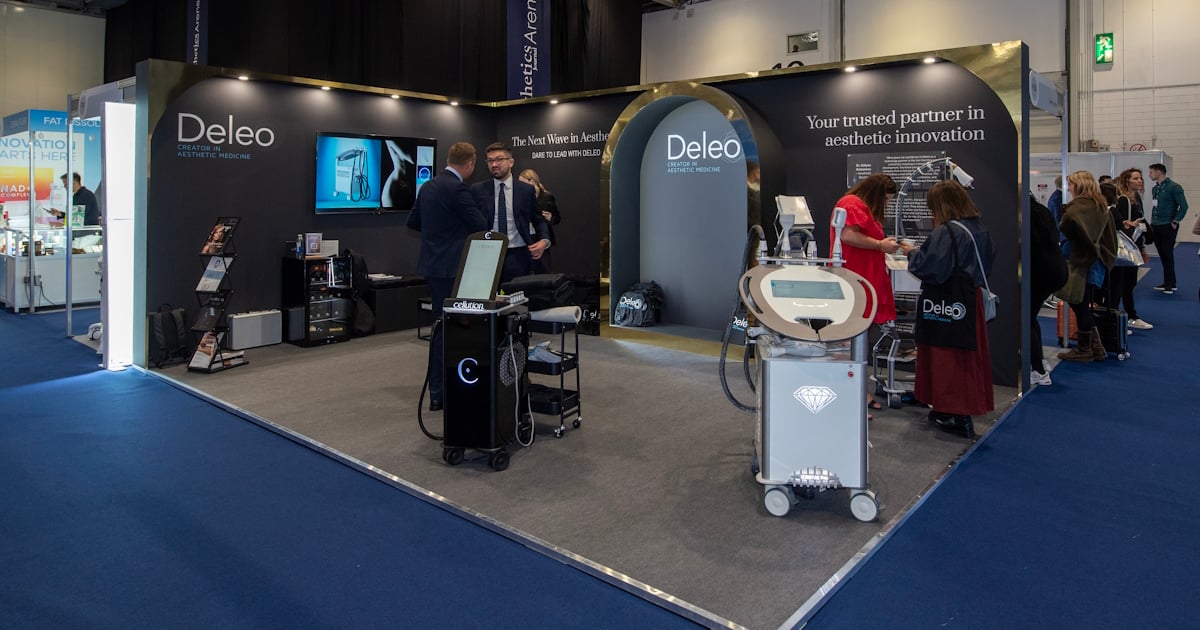

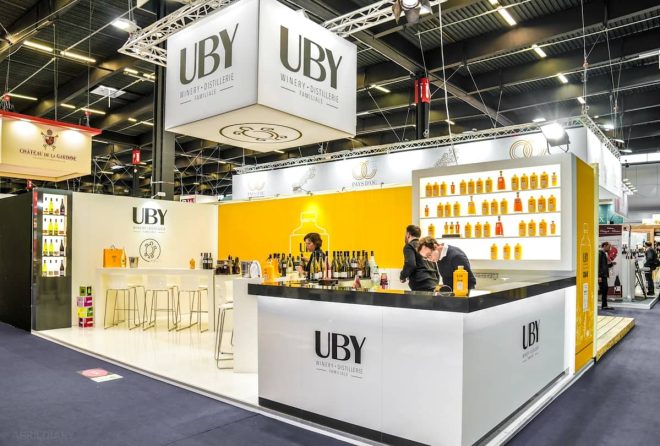
Exhibition stand hire is a service. A booth builder designs the stand, brings it to life inside the show hall, and takes it away when the show closes. Assuming you only use it once, then you do not store the walls or book the van: you just turn up to a finished plot.
This is all very different from buying a stand outright or picking up a pop-up from a display shop. Exhibition stand hire sits in the middle: it should look like a proper stand, and it should arrive as a job someone else is running.
This explainer is for UK exhibitors who keep seeing “hire” on quotes and want a plain definition before they choose a path. If you already know you want to own the kit, consider purchasing a modular stand outright or going for a custom build.
Hire Is A Service, Not A Product On A Shelf

When people say “exhibition stand hire”, they usually mean a managed package for a named show. The contractor still designs the layout, prints the graphics, and works according to the venue’s build slot. The difference is who owns the structure after breakdown.
With hire, you’re paying for a result on those dates: a stand that is up, branded, and taken down. You aren’t buying an asset to keep in a unit between shows.
The word “hire” also gets used for furniture, screens, and even plants. These are useful extras, but they are not a complete stand. If your company’s conversation starts with bar stools and never reaches walls, you are in the wrong aisle.
What You Are Hiring, In Practice
A proper stand hire brief covers the same work as any other stand job, with one change of ownership. The following should be included:
- Design and 3D renders so you can see the plot before you commit
- The structure: walls, returns, storage areas, meeting nooks
- Graphics printed for this campaign
- Floor, lighting, and cable routes
- Delivery into the hall
- Install and dismantle
- Venue paperwork, including RAMS where the hall asks for it
Furniture and screens are often priced extras. Space in the hall is never part of the hire invoice: that is paid to the organiser. Our exhibition stand cost guide keeps those two invoices apart for a reason!
If you plan to re-use your hired stand for future shows, storage options are available at extra cost.
How Hire Differs From A Shell Scheme
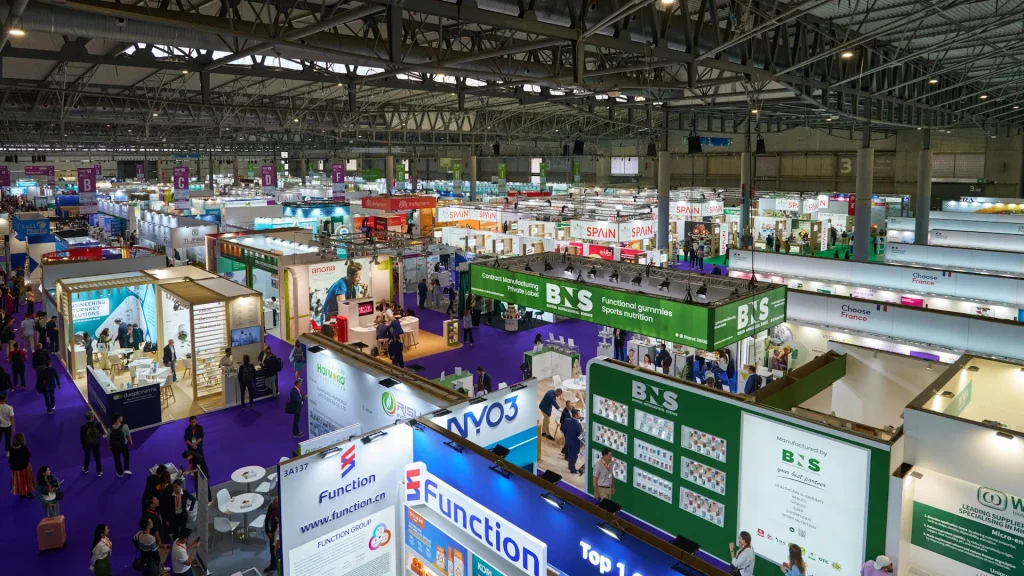
A shell scheme is the organiser’s empty box: a steel frame, a name board, a carpet, and not much else. You need to dress it up yourself, and you can ask a builder to upgrade it. At the end of the day, an upgraded shell scheme still uses the same shell layout, which you’ll share with other shell scheme exhibitors.
We’ve covered this topic in more detail here.
How Hire Differs From Buying
Buy once and you become responsible for storage, freight, refresh, and the next install. Hire once and you walk away with nothing to warehouse.
Hire fits one or two UK shows a year, a first visit to the NEC or ExCeL, or a campaign that will change next time out. Buying starts to win when the same kit will work across a long-term programme and you already have a place to put it.
We’ve also covered this topic in more detail on our hiring versus buying article.
What Hire Is Not
Exhibition stand hire is not a roller banner and a table, nor is it a “we will email you the artwork guidelines and you collect the crate.” It is also not automatically the cheap option either: a managed hire stand on a 6×3 can cost more than an old owned kit you already have in the shed.
Stand hire is also not a promise that every hired stand looks custom. Some hired stands are just a fixed kit with new graphics, while others form a system that can be planned to the plot. Ask which one you are being offered, as only one will match a brand that needs a unique shape.
Lastly, hiring an exhibition stand isn’t a way to skirt venue rules. Height, hanging signs, and night working restrictions still apply. The contractor should know them, and you should be informed of them.
When Hire Is The Right First Sentence
A hired exhibition stand is perfect for you if any of these are true:
- You exhibit once or twice a year only
- Nobody owns any storage or freight
- The show might not repeat
- Finance wants an operating cost, not an asset
- You need the stand to look finished and you do not have an events engineer
Overseas brands doing a first UK show often start here, with a hired modular exhibition stand. Learning the hall is enough work alone without adding a warehouse in an unfamiliar city.
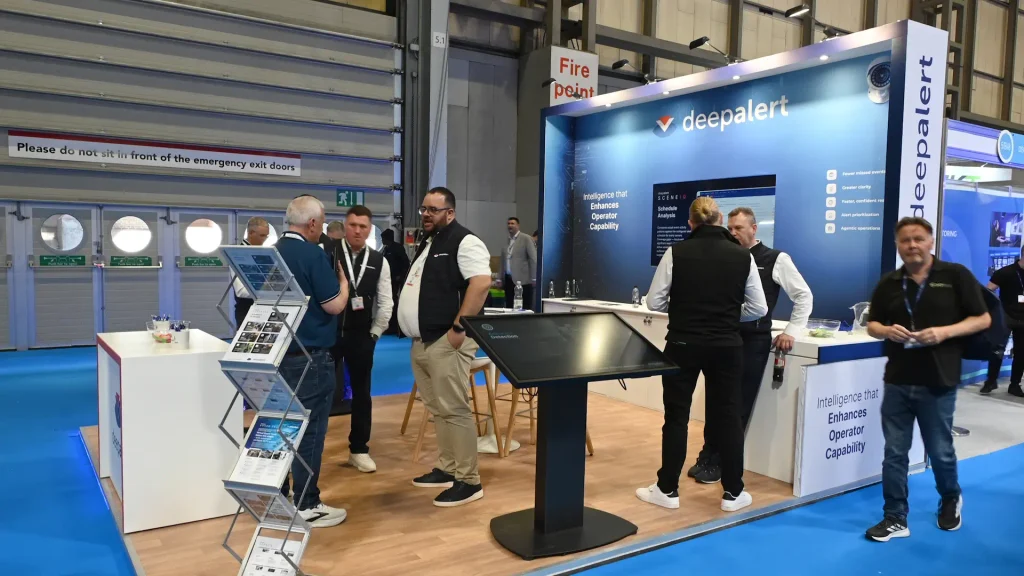
Hired stands are also a clean way to test a new show format. Consumer shows and technical trade shows punish radically different layouts. It’s better to gauge a reaction to your new layout on a stand you won’t have to live with.
How The Week Usually Runs
Ever wondered what the install process looks like? Here’s the simple workflow:
- You book the space with the organiser.
- You brief the contractor with dates and a plot.
- Design happens.
- Artwork is signed off on.
- The contractor books the slot, files paperwork, and builds while you are still in the office.
- You arrive to see a stand that is ready for product and people.
- After closing, they take it down. You leave with leads, not a crate.
How To Write An Exhibition Stand Brief
Send the show, the hall, the plot size, the dates, and what has to happen on the stand: meetings, demo, storage, a screen. Say “hire” in the first paragraph so your designer knows what you want.
We can talk through hire, modular buy, or custom options against your brief. Book a call and you should get a reply within one working day. We will not invent a hire price in this article: an itemised quote for your show is the only number that counts!
Can you hire a double-decker?
Sometimes, if the hall allows it and the contractor has enough material on hand.
Can you hire for a roadshow?
Yes, if the same contractor will follow the dates.
Can you start with a hire stand and buy later?
Usually this isn’t a problem; you can speak with your contractor about this.
Can you put your own furniture on a hired stand?
Usually this is possible, if you say so early.
Can you keep the counter?
Only if the contract says so, but usually not.