

Welcome, travelers! You’re about to embark on an adventure in one of the world’s most vibrant cities: London. Whether you’re here to take in the sights, indulge in some retail therapy, or exhibit in one of the conference centres, you’ll likely find yourself navigating the iconic London Underground.
Known to locals as ‘the Tube’, this sprawling network of trains will whisk you from the bustling streets of Covent Garden to the leafy suburbs of Richmond and everywhere in between. If you’re unfamiliar, the Tube can seem like a labyrinth. Don’t worry; we’ve got your back!
“The London Underground makes travelling easy as an exhibitor in London. Use it in conjunction with other transport options like the Thames Uber boats and bike hire services. Where you need to be is just a hop, skip, and a jump away.”

This guide will turn you from a Tube novice into a seasoned commuter, ready to travel between your hotel and your trade show venue. Ready to tackle the Underground like a Londoner? Grab your Oyster card, and let’s dive in!
Get An Oyster Card Or Contactless Payment Card

First, you’ll need an Oyster card or a contactless payment card. We highly recommend opening a Wise or Revolut account. These accounts allow you to create multi-currency bank accounts without the fees charged by traditional banks. Contactless is the easiest way to pay for travel on the Underground, as you simply tap your card by the entry booms.
Alternatively, you can also get a TfL Oyster card at any station or order one online before you arrive in the UK. This is a traditional “pay as you go” option that’ll save you money when travelling within the London area.
Both options offer you the cheapest way to get around the London Underground.
Plan Your Journey
Before you head out, it’s a good idea to plan your journey. Use the Transport for London (TfL) website for the most updated info. Just input your start and endpoints, and the site will guide you on the best routes on the London Underground network.
London Exhibition Venue Stations
In London, you’re never far from a TfL Underground station or link. There are multiple route options, but the closest tube stops to your venue are as follows:
| VENUE | NEAREST STATION | LINE | WALKING TIME | DISABILITY ACCESS |
| ExCeL London | Custom House | Elizabeth (PURPLE) | ~2 minutes | Step-free street to train |
| London Olympia | Barons Court* | District (GREEN) | ~9 minutes | N/A |
| BDC Islington | Angel | Northern (BLACK) | ~5 minutes | N/A |
*A direct link to Kensington Olympia exists on weekends only. It may be better to take the London overground to get to Olympia directly.
Understand The Tube Map
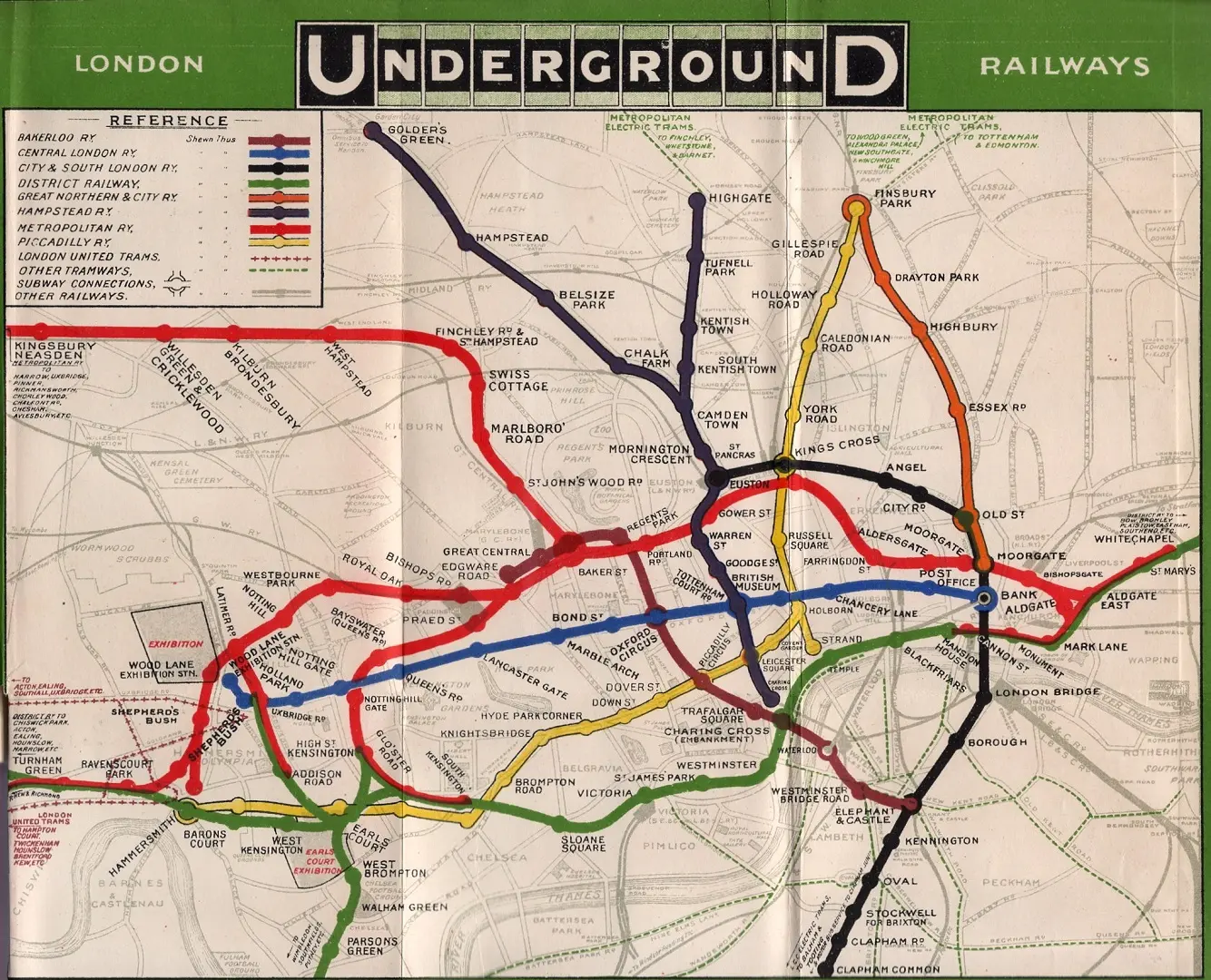
The London Underground map is a classic design copied by transport systems worldwide. It’s a schematic diagram that shows routes and connections clearly. It may seem confusing at first, but don’t worry; Transport For London have colour-coded it for easy identification:
Main Lines:
- Bakerloo Line (Brown): Major stations include Paddington, Oxford Circus, and Waterloo.
- Central Line (Red): The longest and typically busiest line. Key stops: Notting Hill Gate, Oxford Circus, and St. Paul’s.
- Circle Line (Yellow): Forms a loop around central London. Major stations: King’s Cross, St. Pancras, Liverpool Street, and Victoria.
- Central Line (Red): The longest and typically busiest line. Key stops: Notting Hill Gate, Oxford Circus, and St. Paul’s.
- District Line (Green): Covers Greater London with branches to Richmond, Wimbledon, and Upminster.
- Hammersmith & City Line (Pink): Shares many stations with the Circle Line and extends to Hammersmith and Barking.
- Jubilee Line (Silver): Key locations include Westminster, Canary Wharf, and Stratford.
- Metropolitan Line (Purple): Reaches the outskirts, including Wembley Park and Harrow-on-the-Hill.
- Northern Line (Black): Known for frequent delays, it serves North and South London with branches to Edgware and Morden.
- Piccadilly Line (Dark Blue): Connects to Heathrow Airport, Covent Garden, and Leicester Square.
- Victoria Line (Light Blue): Efficient line serving Victoria, King’s Cross St. Pancras, and Brixton.
- Waterloo & City Line (Turquoise): Only two stops, mainly for commuters between Waterloo and the City of London.
You can also use the Citymapper app to help you navigate live on the go.
Tube Procedure
Once you’ve got the route down, it’s time to descend to the correct platform and board!
Important: Free station WiFi doesn’t reach further than the platforms; send any urgent messages before boarding a carriage. Otherwise, you’ll need to use your own data/mobile internet connection.
On The Platform
Check the direction once you’re on the platform and follow the signs to ensure you’re at the right place. Signs list the end station in the direction the train is going, , and a new train arrives every 3 minutes or so during peak times.
- Exit Before Enter: Let passengers exit before you board the train. It’s polite and makes boarding easier for everyone.
- Mind the Gap: Be careful when stepping on and off the train; there can be a gap between the train and the platform.
- Stand on the Right: When using escalators, always stand on the right to allow people hurrying to pass on the left.
- Be Courteous: Manners cost nothing. Let people off the train before you get on and move down inside the carriages to make room for others. Be prepared to give up your seat for elderly or disabled passengers.
On The Train: Efficient Travel
It can be daunting riding the tube for the first time, with so many people around you. Keep these tips in mind as you go back and forth from your exhibition venue:
- Keep your ticket and/or cards handy: You’ll need your Oyster card or contactless payment card to enter and exit the barriers at the station.
- Expect to stand in peak hours: The Tube can get busy during rush hour (typically 7-9 am and 5-7 pm). If you must sit down, try to avoid travelling at these times.
- Watch and listen for your stop: A route map is typically printed inside each carriage, and audio callouts announce the next stop and the final stop.
Exiting The Station
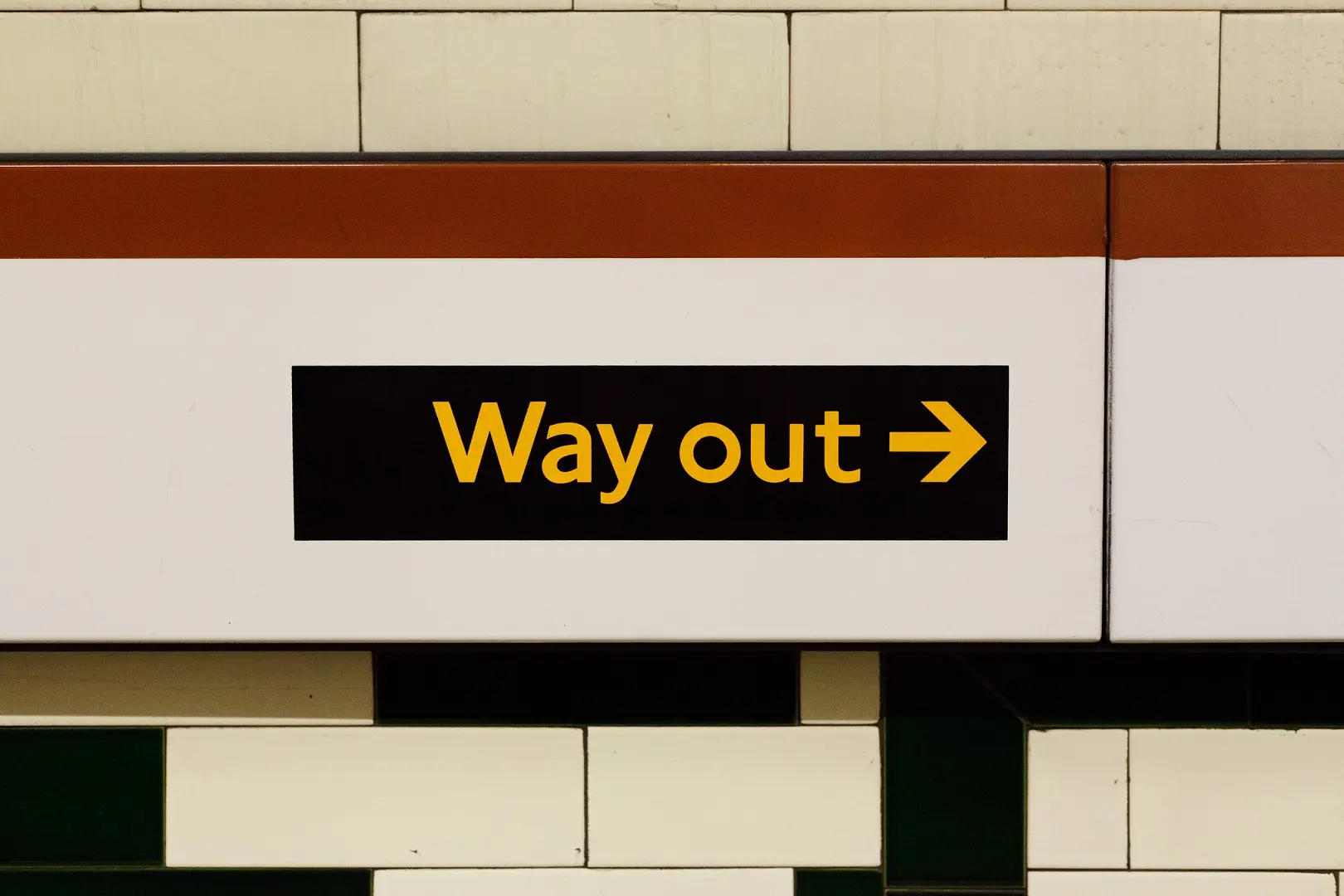
- When you’re ready to leave the carriage, exit calmly and follow the signs for “way out.” At the exit the barriers, tap your Oyster or same contactless payment card on the yellow card reader again.
- Some stations have elevators you can use to get back to the surface, but most have escalators only.
Travel Tips For Exhibitors Taking The London Underground
- Emergency Procedures: In an emergency, follow the instructions of station staff and use the emergency alarms located on platforms and trains.
- Accessibility: The closest stations to BDC Islington and Olympia London are not wheelchair-friendly. The TfL Tube map shows which stations are step-free.
- Saving money: Your exhibition stand costs enough already. An Oyster card is the best way to save over a multi-day trip within London and also works on buses and overground trains.
- Navigation: Look out for a tube line diagram inside your carriage. The audio voiceover will announce upcoming stops and any line status updates.
London Underground: It’s Simple When You Know How
And there you have it, we hope you enjoyed this handy London Underground guide. With these tips, you’ll navigate the Tube like a true Londoner in no time. It may seem daunting initially, but you’ll get the hang of it. Happy travelling!
Now that you know how to get by in the city, start planning your next display with a London exhibition stand builder. We’ll even help you book loading time slots!
What is the best way to navigate the London Underground?
The best way to navigate the London tube network is to plan beforehand and bring a contactless card or oyster card with you to pay.
How do you pay to use the Underground in London?
You can tap your contactless bank card or Oyster card at the gates of the tube station in London.
Can two people use the same contactless card on the Tube?
No, each traveller needs their own unique payment method to access the London Underground.
When is the tube open?
The London Underground operating hours are from 5 am to midnight daily during the week.